Skip to content

Canada Can Combat Climate Change Without Economic Downturn, Expert Says

Lucas James Taylor 0 7 min read
Share

Canada does not have to halt its industrial activities or suffer a devastating economic setback to effectively combat climate change, according to a prominent climate scientist who provided testimony in a significant trial held in Vancouver this week.

Simon Donner, a professor at the University of British Columbia and a long-time advocate for climate science and policy, emphasized the need for Canada to overhaul its energy infrastructure and prepare for a sustainable, low-emissions future.

“Transforming technologies and changing our operational methods will incur costs. However, there are also advantages, as these new technologies can generate revenue,” Donner explained in court on Tuesday.

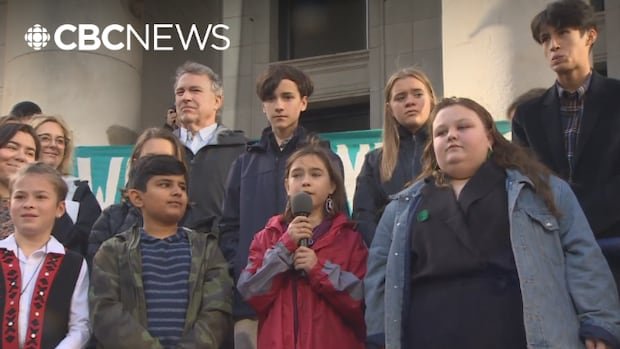
Donner was giving evidence as a witness for the 15 young plaintiffs suing the federal government, claiming that Ottawa is infringing on their constitutional rights by failing to adequately reduce carbon emissions and secure a viable future.
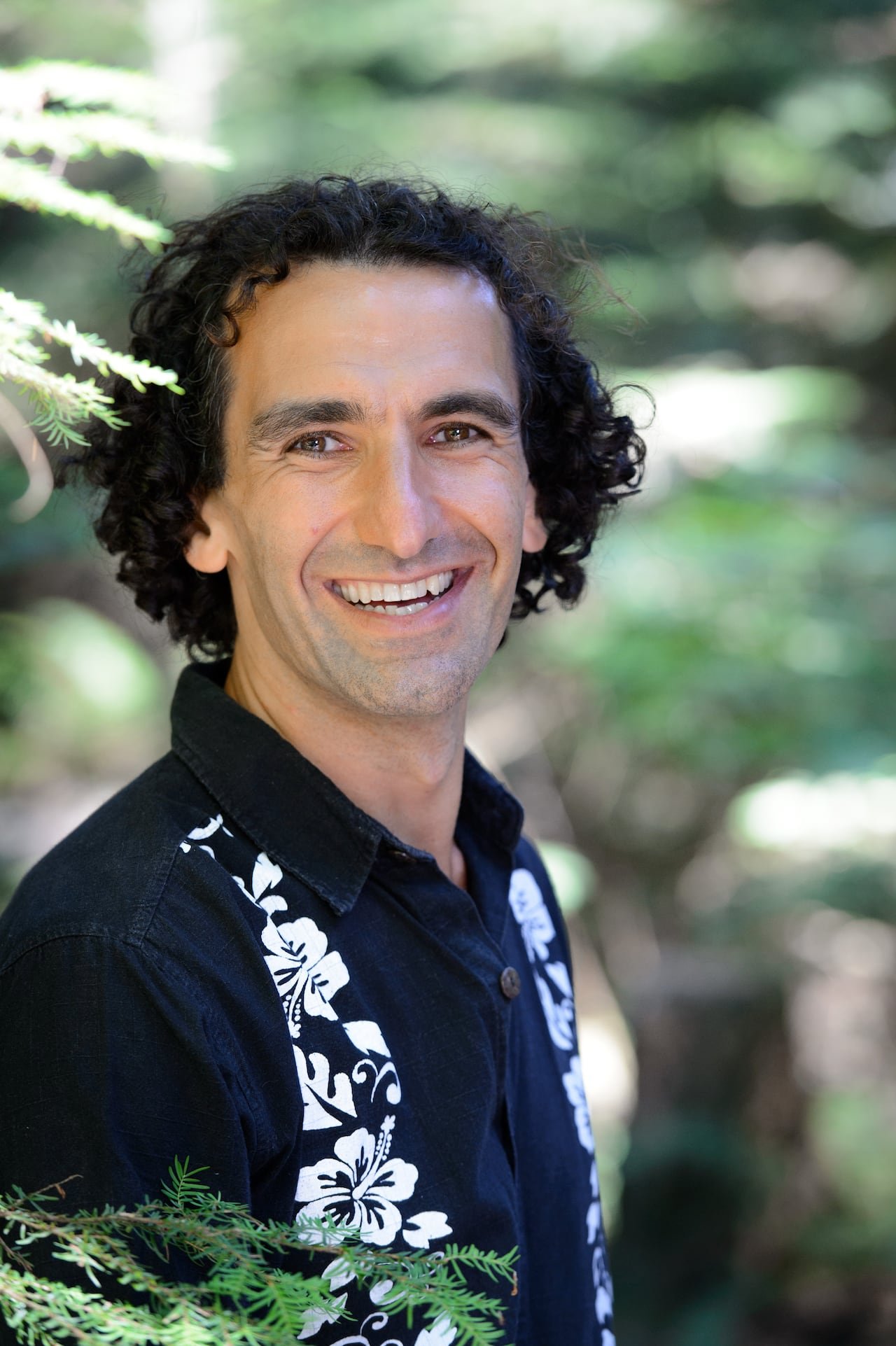
Simon Donner is a leading climate science and public policy researcher.

Simon Donner is a leading climate science and public policy researcher at the University of British Columbia. (Don Erhardt)

The government, which will present its witnesses next week, is anticipated to argue that Canada’s actions cannot be directly linked to the climate-related damages experienced by the plaintiffs, as climate change is a global issue. During the cross-examination of Donner, the government’s attorney inquired whether specific carbon molecules in the atmosphere, and thus specific climate effects, could be traced back to Canada.

“No one typically considers a pollution issue in this manner,” Donner replied.

“If there are numerous factories releasing mercury into a lake, no one asks, ‘Did my particular mercury molecule cause this fish’s death?'”

WATCH | Environment minister says feds are ‘stepping up’:

Are Canada’s climate targets changing? Minister says feds are ‘stepping up’

October 8|

Duration

11:22

A new report from the Canadian Climate Institute indicates that the country’s greenhouse gas emissions rose in 2025, further distancing Canada from its 2030 climate objectives. In response to Power & Politics, Environment Minister Julie Dabrusin stated that the targets ‘were always ambitious’ and that Canada is ‘stepping up’ to combat climate change, with Ottawa’s new heat pump rebate being ‘just one part’ of that effort.

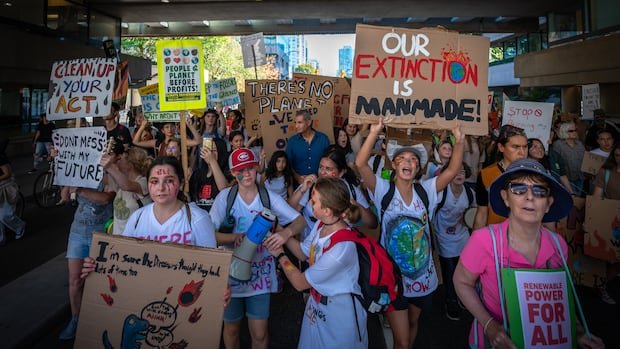
Donner’s message is not new; he has been advocating for the necessity of decarbonization and contributing to climate policy discussions in Canada and internationally for over a decade. However, his appearance in court highlights the recent developments in climate action under Prime Minister Mark Carney’s administration.

Feds, climate advisory body at odds

Donner served as the co-chair of the Net-Zero Advisory Body, an independent expert panel created by Justin Trudeau’s government in 2022.

This body was intended to guide the government’s climate strategy, but in 2025, Donner and fellow member Catherine Abreu publicly resigned, citing that their recommendations were being ignored as the government rushed to approve LNG and other fossil fuel and mining initiatives.

The NZAB is currently down to three members, reduced from a potential total of 15, and its activities are reportedly in “remission,” according to Damon Matthews, one of the remaining members and a climate scientist at Concordia University.

On Tuesday, Matthews informed CBC that the NZAB lacks the necessary resources to carry out its mission and that communication from the government has been limited since the last election. However, he mentioned that the NZAB is currently in discussions with the federal environment minister regarding a strategy to revive its operations.

Matthews has also contributed to a report for a group of youth applicants in another climate lawsuit aimed at the Ontario government.

“Perhaps the legal system can help us slow down the forces working diligently to stall, postpone, and hinder climate action in this country,” he stated.

WATCH | The wide implications of a landmark climate lawsuit:

Can you sue Canada for not doing enough about climate change?

November 2|

Duration

2:33

For the first time in Canada, a youth-led climate lawsuit against the federal government has reached a full trial. Fifteen young Canadians are arguing that Canada’s response to climate change is inadequate and violates their constitutional rights. The landmark case could have major implications for Canada’s climate policies and the government’s legal responsibilities.

Scientists outline path to lower emissions

Several distinguished Canadian scientists have accompanied Donner in providing testimony in the Vancouver courtroom on behalf of the youth plaintiffs. The trial is currently in its second week, with witnesses for the plaintiffs taking the stand.

Witnesses for the government, which include specialists in climate science, law, and economics, will present their testimonies from November 9 to November 20. Following this, the court will adjourn and reconvene in February, at which point attorneys for both parties will deliver their concluding arguments.

Last week, Kirsten Zickfeld, a climate science professor at Simon Fraser University, testified regarding the carbon budget, which represents the permissible amount of carbon emissions before global temperatures reach dangerous levels.

Canada, ranked among the world’s ten largest carbon emitters both now and historically, has already exceeded its fair share of the carbon budget, she testified.

“To stabilize global average temperatures, worldwide carbon dioxide emissions must be cut to at least net zero, along with significant reductions in other greenhouse gases such as methane and nitrous oxide,” she stated.

In the upcoming week, Nicholas Rivers, a renowned climate policy and economic modeling expert from the University of Ottawa, will provide testimony on potential pathways to achieve lower emissions.

Youth should be ‘planning their futures, not fighting in court’

Many of the young plaintiffs also provided testimonies regarding the impact of climate disasters on their lives. Most were preteens or teenagers when the case was originally filed in 2019; since then, they have experienced events such as the 2023 Yellowknife wildfires, the 2021 B.C. heat dome, significant flooding, drought, and poor air quality due to smoke from fires.

Donner’s testimony highlighted research from government reports and climate attribution studies demonstrating that such disasters will increase both in severity and frequency if emissions are not curtailed.

“These are experiences that many Canadians have either faced directly or know others who have endured similar impacts,” remarked Andrew Gage, a staff attorney at West Coast Environmental Law, which supports the case.

WATCH | 15 young people sue the government over climate inaction:

Canadian youth launch climate lawsuit against federal government

October 26|

Duration

1:45

It’s being called a Canadian first: a trial over the federal government’s climate policies has started in Vancouver after a group of young people filed a lawsuit claiming their Charter rights have been violated.

Tzeporah Berman, a Canadian climate activist, noted that the timing of the trial is significant, particularly given the increasing visibility and frequency of climate disasters, coinciding with the federal government’s reduction in efforts to lower emissions.

“I’ve heard many people expressing their admiration for [the youth plaintiffs] this week. We owe our youth more than just admiration; we owe them tangible action,” stated Berman, who chairs the Fossil Fuel Non-Proliferation Treaty Initiative, which aims to create a global consensus on phasing out the use of oil, gas, and coal.

“These young Canadians should be looking ahead to their futures, not battling in court to safeguard the chance of having one.”

Share
Author Lucas James Taylor

Leave a comment

Your email address will not be published. Required fields are marked *