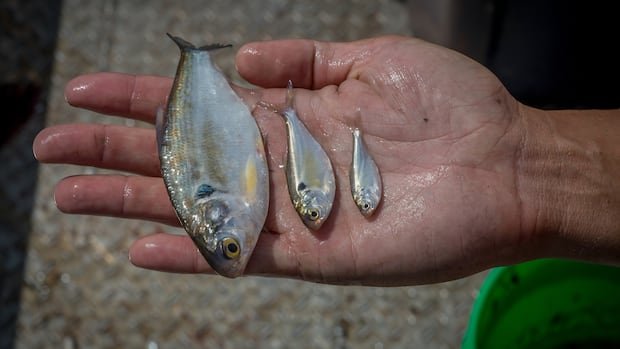
Nearly two years following an unprecedented fish incident at Canada’s largest nuclear facility, which “challenged reactor safety,” recently acquired documents illustrate the extraordinary nature of the event. Experts caution that unusual ecological conditions are increasingly posing challenges for nuclear facilities globally.
In February 2025, millions of gizzard shad inundated the cooling systems at the Bruce Nuclear Generating Station located near Tiverton, Ontario. This incident led to the shutdown of one reactor, a reduction in power output at another, and resulted in dead fish washing up along the shores of Lake Huron for several days.
CBC News has obtained over 1,200 pages of federal and provincial documents that reveal how an environmental phenomenon linked to a small, cold-sensitive fish challenged Canada’s largest nuclear power facility in unforeseen ways.
Bruce Power, the private entity responsible for operating the plant, declined to participate in a televised interview. While the company provided a written statement later, it did not address specific inquiries from CBC News.
Dead fish ‘challenged reactor safety’
A root-cause analysis conducted by Bruce Power determined that the plant faced “a novel environmental event.” Canada’s nuclear regulator characterized this as an “uncharacterized and unanticipated volume of gizzard shad,” sufficient to overwhelm the safeguards designed to prevent fish from entering the cooling water system.
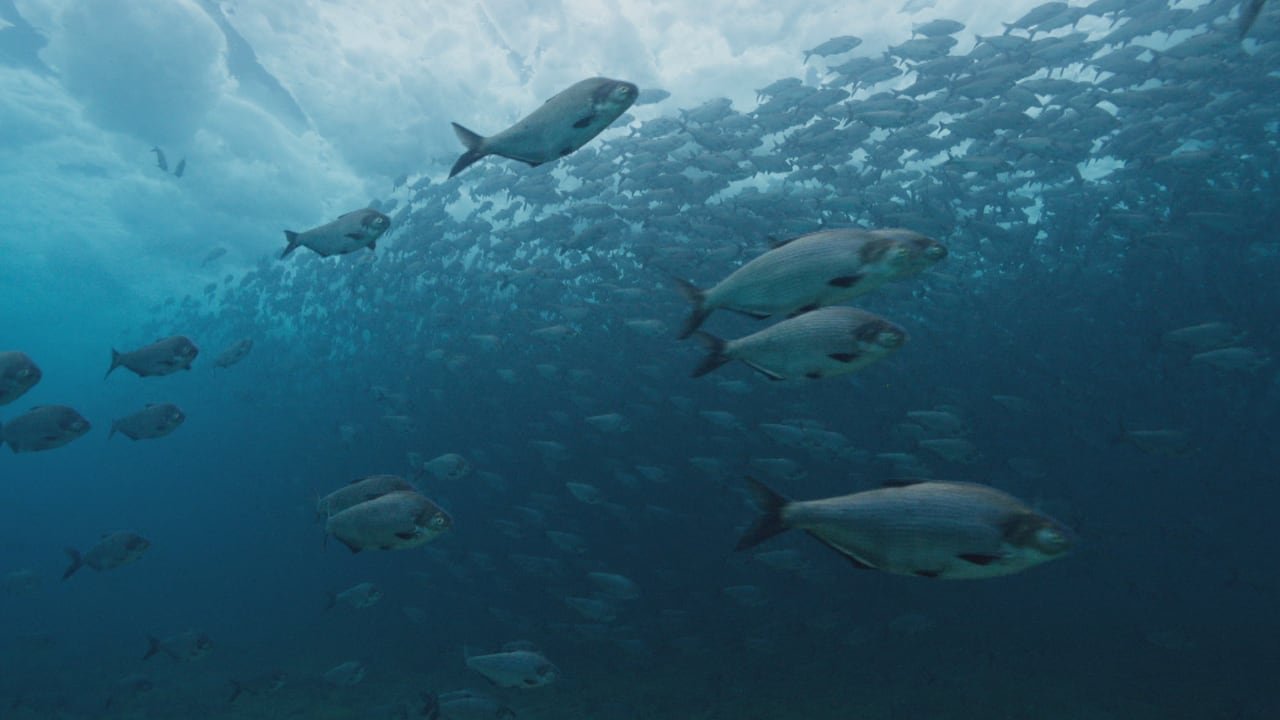
Gizzard shad collect beneath the ice in the warmer waters of Lake Huron around Bruce Nuclear Generating Station. These cold-sensitive fish seek warm water refuges during winter, including the thermal discharge from the plant. (Zack Melnick/Inspired Planet Productions)
Another inquiry concluded in June 2025 that the fish occurrences on February 1 and February 13, “challenged reactor safety.”
David Novog, a professor at McMaster University and Canada Research Chair in Nuclear Safety, indicated that this term carries a specific connotation within an industry where multiple layers of defense are in place to protect plants.
“When we refer to a challenge to reactor safety, it typically indicates that one of those defenses has been compromised in effectiveness or has been taken offline. In such cases, nuclear power facilities must shut down,” he stated.
In my view, there was no risk to reactor safety.Douglas Boreham, former principal scientist and manager at Bruce Power
Douglas Boreham, a professor of medical sciences at the Northern Ontario School of Medicine University and former principal scientist and manager at Bruce Power, remarked that the reactors responded as intended when their cooling systems were compromised.
“Perhaps the language in that document should have been adjusted to indicate that operations were affected, but I believe there was no threat to reactor safety,” he expressed.
“There was no safety concern. The system is designed to behave this way. Shutdowns occur when conditions aren’t optimal.”
Nuclear regulator cautioned about worst-case scenario
The potential ramifications are detailed in an April 2026 report by the Canadian Nuclear Safety Commission (CNSC) prepared for the International Atomic Energy Agency.
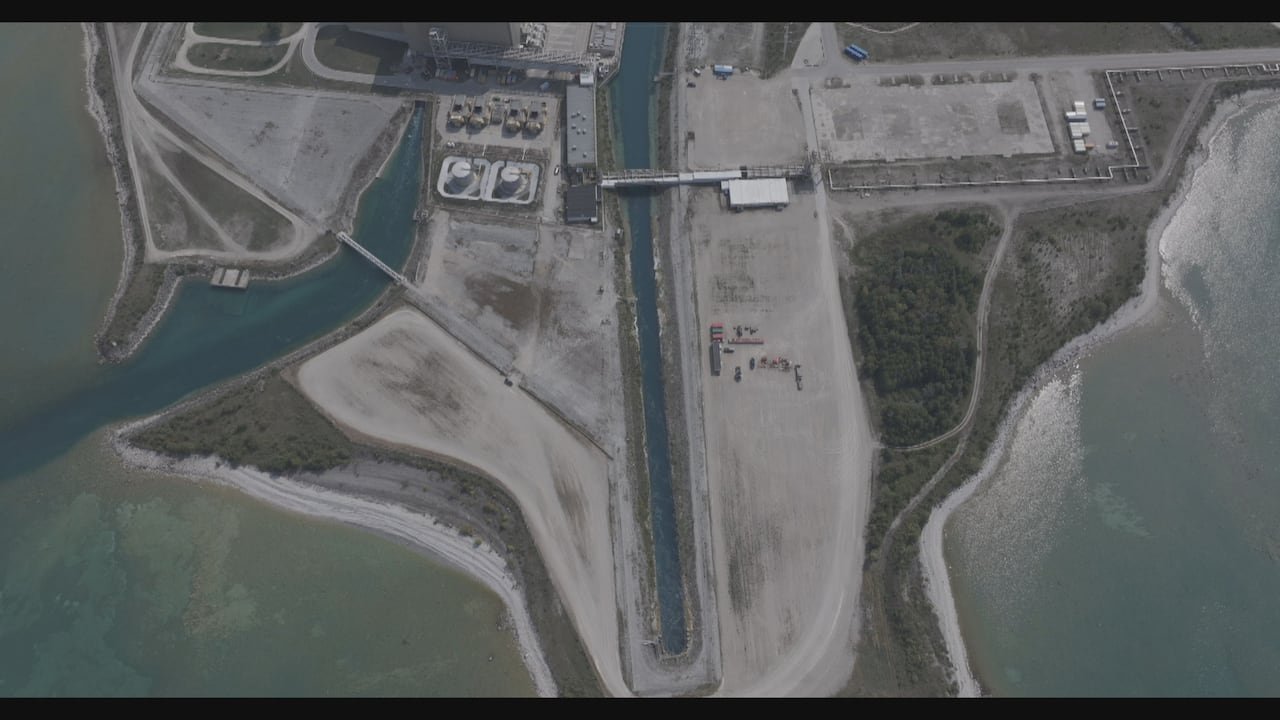
The forebay at Bruce Power contains water sourced from Lake Huron before it enters the plant’s cooling water system. Millions of gizzard shad gathered around Bruce A in February 2025, with many becoming trapped and perishing in the intake system. (Bruce Power)
On February 13, 2025, the massive die-off of cold-water fish disrupted the cooling systems for two operational reactors. As a result, Bruce Power had to shut down Unit 2 and reduce the output of Unit 1.
Just under two weeks prior, on February 1, the fish event had already impacted cooling at Unit 4, which was in the process of refurbishment. Even after a reactor is shut down, its fuel continues to generate heat and must be managed to remain cool.
In official regulatory correspondence sent to Bruce Power on May 5, 2025, the CNSC cautioned that “the potential implications of this incident could have led to the shutdown of all [four Bruce A] units.”
8.1 million fish in a single day
The magnitude of the fish incident was staggering.
In a report to Fisheries and Oceans Canada dated March 2026, Bruce Power estimated that 8.1 million gizzard shad were present near Bruce A on a single day in February 2025, far exceeding any counts released previously.
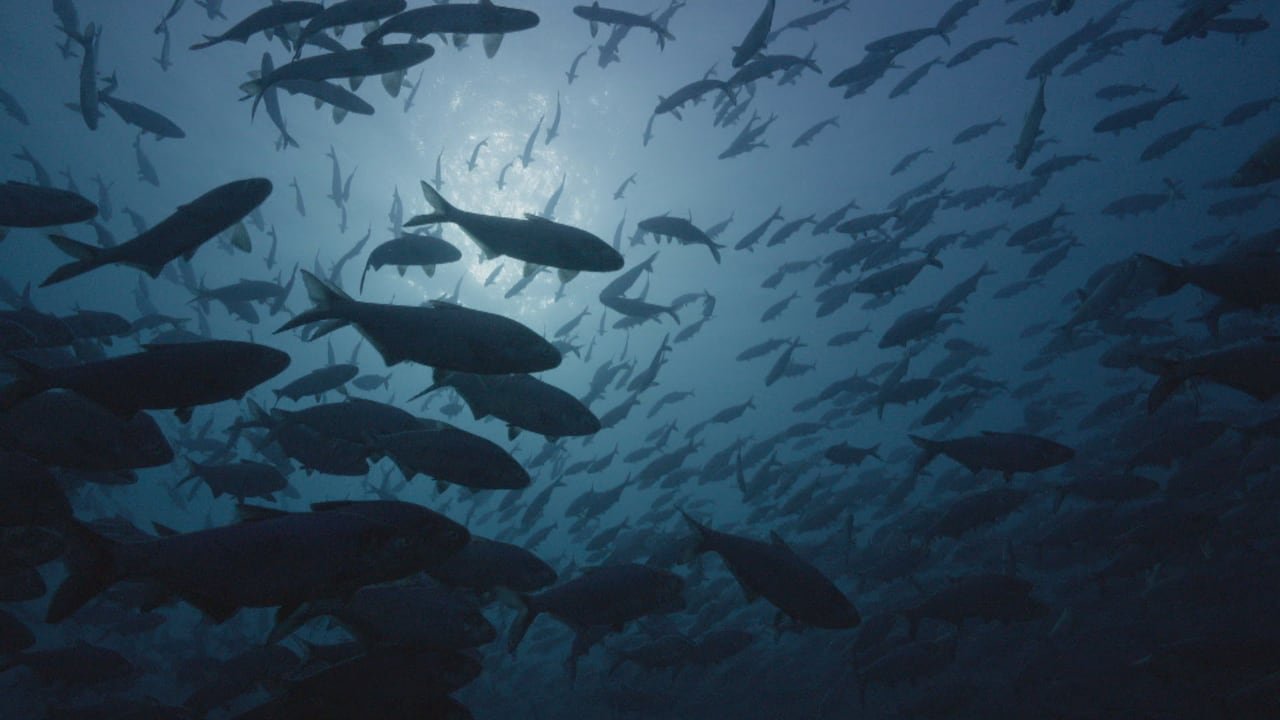
A group of gizzard shad congregates in the warm water near Bruce Nuclear Generating Station in Lake Huron, near Tiverton, Ontario. (Inspired Planet)
The report indicated that severe winter conditions, such as heavy snowfall and a rapid drop in air temperature, brought water temperatures close to freezing, resulting in cold shock for the fish. The remaining gizzard shad, a species not well-suited for cold water, gathered around the warmer water released by the nuclear facility.
Ryan Lauzon, a fisheries biologist with the nearby Saugeen Ojibway Nation, which includes the Bruce Peninsula and adjacent Lake Huron shoreline, co-authored a report on the fish kill incident of 2025. He suggested that warmer winters leading up to 2025 — including historic low ice levels in 2024 — might help explain the large population growth.
“It is a plausible hypothesis,” he said. “It may have allowed these fish to increase in numbers” before the colder conditions in 2025 left many fish vulnerable.
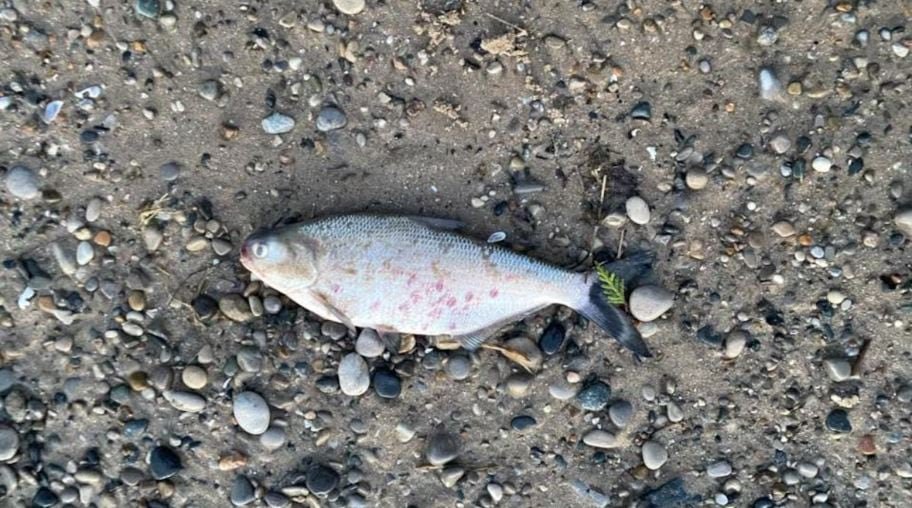
A deceased gizzard shad rests on a Lake Huron beach. The large number of dead fish that washed ashore in 2025 raised concerns about the potential involvement of disease. (Lee Brintell/Facebook)
Federal estimates suggest that between 3.8 million and 4.95 million gizzard shad were trapped and perished at Bruce A between January 30 and March 26, 2025 — significantly surpassing the previous record of approximately 800,000 set in 1977.
The scale of the incident was so substantial that Bruce Power employed a crane to assist in their removal, as revealed by emails obtained by CBC News from Ontario’s Ministry of the Environment, Conservation and Parks. The carcasses were transported to a landfill.
Reactor shutdown ‘a big hit to the grid’
Novog explained that shutting down a reactor is not merely a matter of clearing out the dead fish and flipping a switch. Restarting a reactor in Canada typically takes at least three to four days.
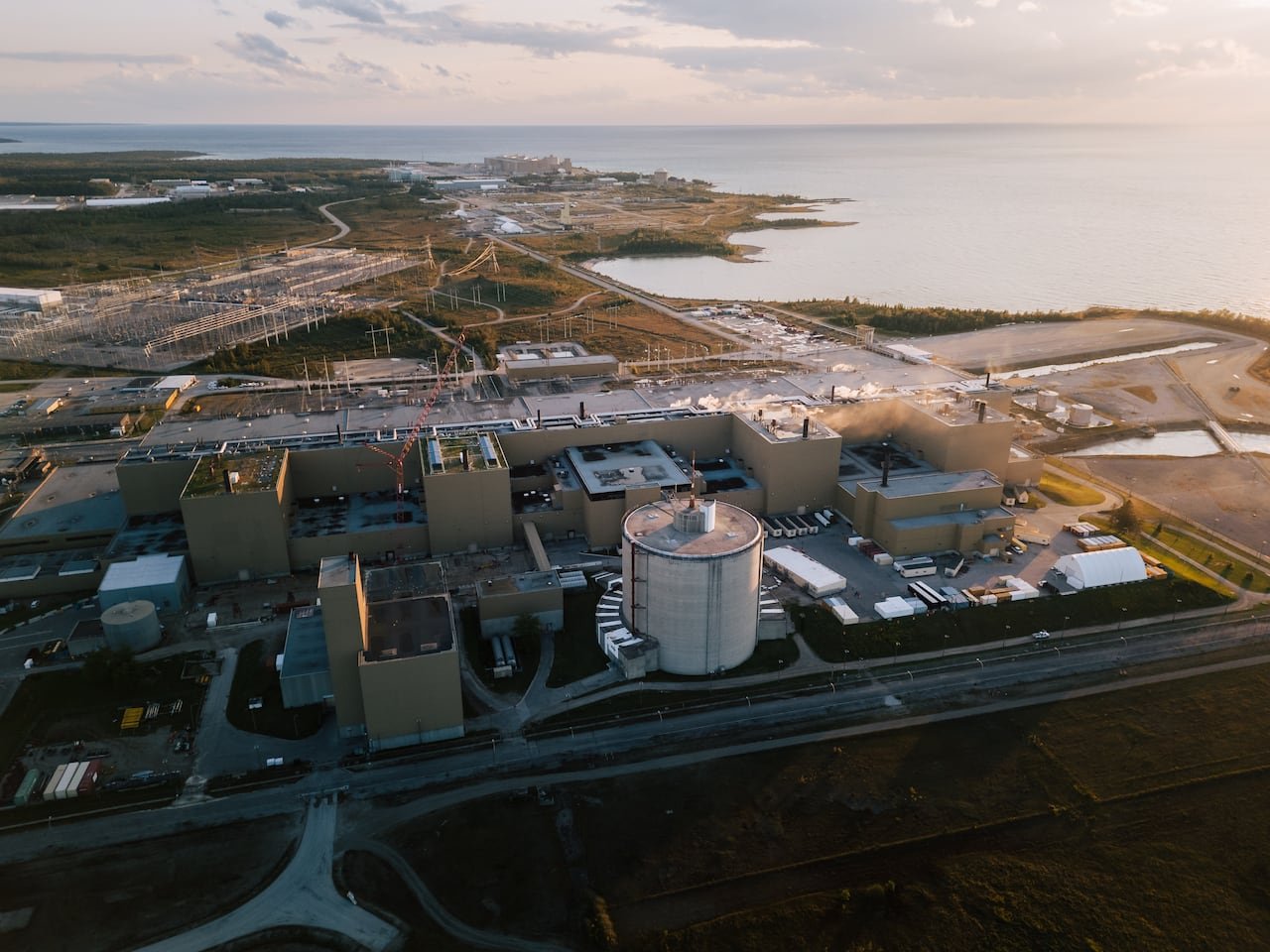
An aerial view of the Bruce Power facility located near Tiverton, Ontario. (Submitted by Chad Richards)
“It’s not a trivial matter. Each nuclear station generates hundreds of megawatts of electricity every hour, so losing them for several days is a significant blow to the grid,” Novog noted.
Internal records accessed by CBC News indicate that Ontario’s Independent Electricity System Operator reported that the province’s electricity supply was “tight” while Unit 2 was offline. They assessed a “medium risk” that another Bruce reactor could also go offline, but indicated that the grid could remain stable through electricity imports and other domestic generation sources.
Nuclear power’s climate paradox
The situation at Bruce Power is not an isolated instance; other recent occurrences of environmental factors have disrupted the cooling systems that nuclear facilities rely on.
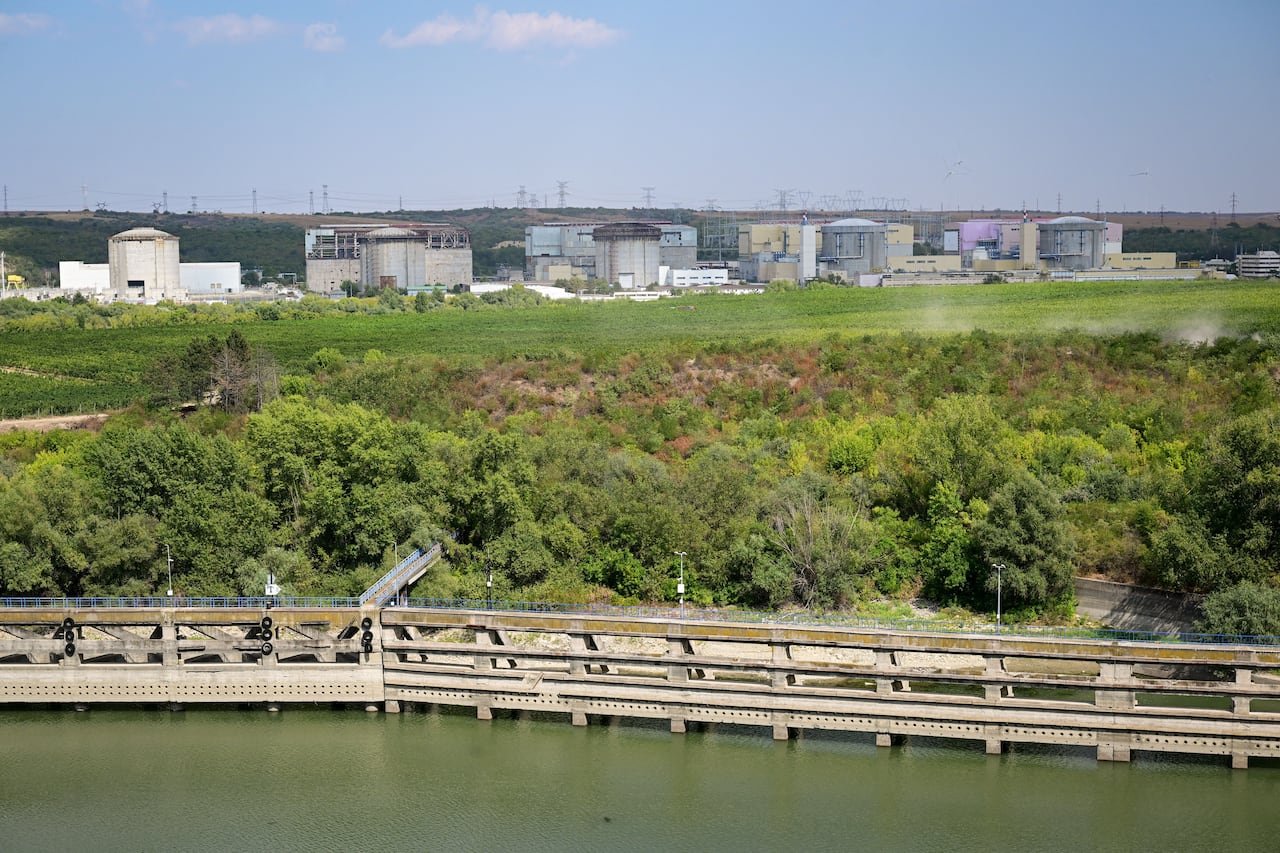
The Cernavoda Nuclear Power Plant in Romania, adjacent to the Danube-Black Sea channel on September 3, 2025. Its Candu reactors depend on river water for cooling. In July 2026, severe drought caused the Danube to reach unprecedented low levels, leading to the shutdown of Unit 1 and subsequently Unit 2 as a precaution. (Daniel Mihailescu/AFP via Getty Images)
Novog remarked that he has observed such occurrences becoming increasingly frequent throughout his career, citing incidents that disrupted nuclear cooling systems in both Romania and France.
During the summer of 2026, reactors were taken offline due to record-low water levels on the Danube River in Romania. At France’s Gravelines nuclear facility, significant influxes of jellyfish obstructed cooling systems for two consecutive summers, forcing reactors offline in both 2025 and 2026.
Nuclear facilities must adapt to a changing climate even as they are increasingly relied upon to combat it.
“It seems that over time, such incidents have been on the rise,” Novog observed.
‘Organizational failure’ to adapt
Bruce Power’s investigation highlighted insufficient real-time environmental monitoring and what it termed an “organizational failure” to identify emerging issues related to evolving environmental conditions and to implement design modifications to safeguard the plant against cooling water blockages.
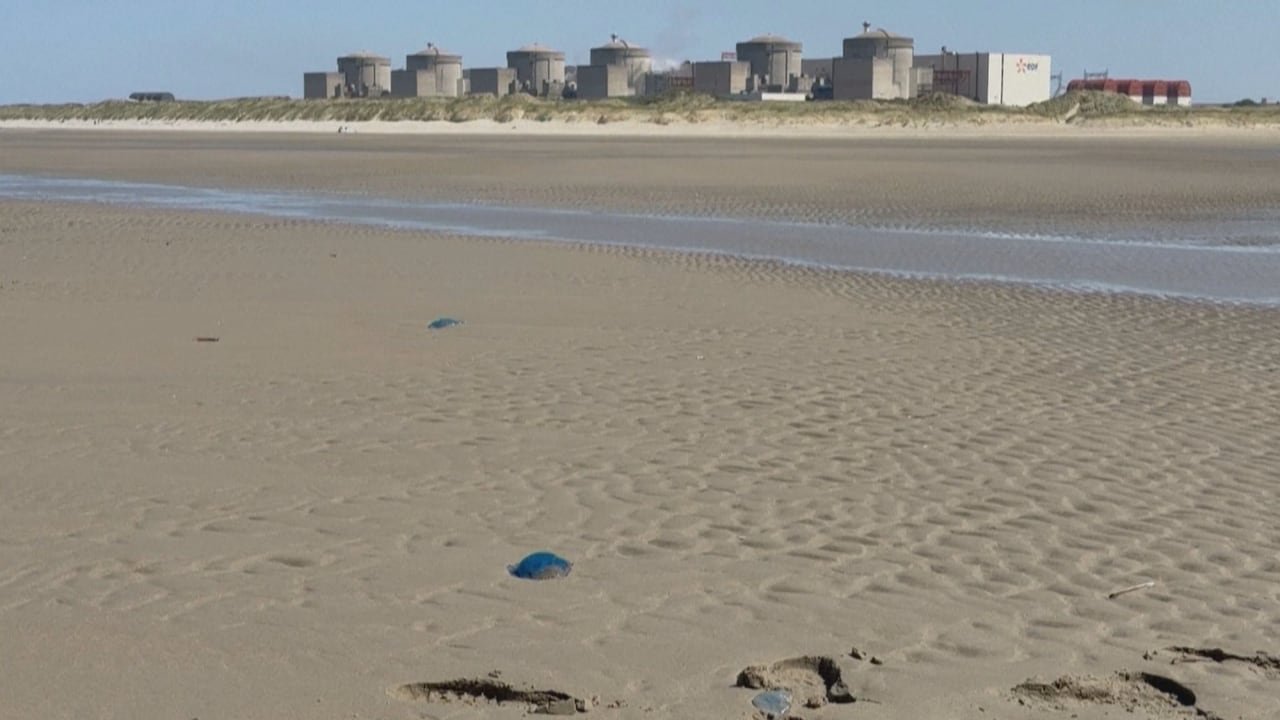
A few jellyfish wash up on a beach near the Gravelines nuclear facility in northern France. In August, a massive influx of jellyfish clogged filters in the plant’s seawater pumping stations, causing four reactors to shut down automatically. (Reuters)
In the aftermath of the incident, Bruce Power reported that it had invested nearly $10 million in mitigation strategies and research aimed at preventing a recurrence of a similar mass fish event that could disrupt operations at the facility.
In a statement received after the deadline for CBC News, Bruce Power indicated that it has enhanced its defenses since the fish incident and is preparing for emerging risks linked to climate change, acknowledging that “we cannot foresee every future event.”
The initiatives include new physical barriers to deter fish from accessing the cooling-water intakes, underwater acoustic deterrents, sonar and video surveillance, as well as an artificial intelligence system designed to provide earlier warnings when large schools of fish approach.
Novog emphasized that preventing such disruptions will be increasingly vital as nuclear facilities are called upon to supply low-carbon electricity.
“The ideal solution is to prevent fish congregation in those areas and keep the units operational, which is why I believe we will see more mitigation and prevention efforts at Bruce and other facilities worldwide in the years ahead.”