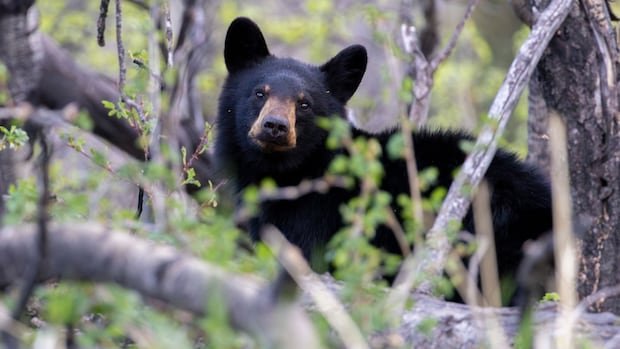
In the first three weeks of October, Yukon conservation officers euthanized seven bears throughout the territory, with six of the animals exhibiting food-conditioned behavior due to accessing garbage.
According to the environment department, four incidents occurred in the Whitehorse area, specifically in the Crestview neighborhood, near the Carcross cutoff, and around the Pilot Mountain subdivision. Additionally, there were individual cases reported in the Carmacks and Watson Lake regions.
The only bear not exhibiting food conditioning “displayed food-seeking behavior causing property damage” in the North Alaska Highway vicinity near Haines Junction, as stated by department spokesperson Linea Volkering in an email.
TJ Grantham, deputy chief of field operations with Yukon Conservation Officer Services, noted that bears that gain access to high-calorie food sources like garbage or compost become “highly motivated to continue seeking it out.”
He added that this year’s situation is exacerbated by a significantly low berry yield in much of southwest Yukon, leading bears to search for alternative food sources as they prepare for winter.
<p“Of course, the killing of any animal is always a last resort,” Grantham remarked. “The primary approach should always be to reduce and manage attractants.”
According to the department, bears that become accustomed to human food sources may lose their instinctive fear of people, homes, and vehicles, potentially resulting in aggressive behavior in pursuit of more food. This scenario can create public safety concerns.
Grantham indicated that conservation officers are still receiving reports of bear activity during this season, highlighting the need for Yukoners to remain “bear-aware.” This includes securing outdoor garbage containers, compost piles, and chicken coops. He also urged anyone witnessing a bear exhibiting troubling behavior to report it promptly.
The quicker conservation officers can react to a bear, Grantham explained, the greater the likelihood they can implement non-lethal deterrents and hazing techniques to prevent the bear from becoming food-habituated, thereby averting further escalation of the situation.