According to two high-ranking government insiders, the Liberal administration’s key legislation for the fall session is anticipated to enhance a contentious aspect of the Labour Code, as reported by CBC News.
The Carney administration intends to revise the Canada Labour Code to clearly permit the designated minister to instruct the Canada Industrial Labour Relations Board (CIRB) to terminate work stoppages and mandate arbitration.
Proposed modifications to Section 107 of the Labour Code are expected to be included in the Carney government’s upcoming bill, which will be titled the Building Canada Strong Act and is scheduled for presentation next week.
“We will introduce substantial economic legislation as a focal point during this session,” stated Government House leader Steve MacKinnon on Friday, just before a two-day retreat for Liberal caucus members.
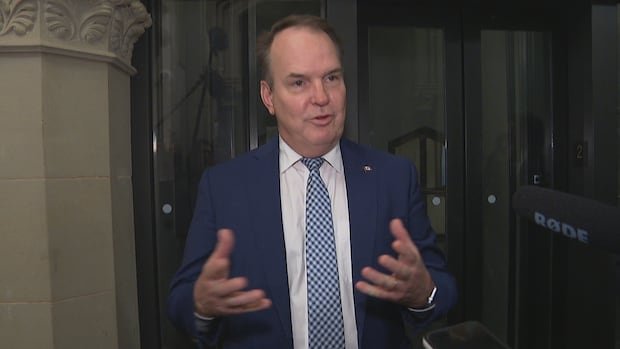
Government House leader Steven MacKinnon indicates that when Parliament reconvenes on Monday, MPs will concentrate on a bill aimed at ‘protecting jobs’ and ‘fostering investment in our communities.’
Amendments to Section 107 will formalize a power that the government has been utilizing: the capacity to terminate strikes and manage arbitration of labor conflicts in federally regulated sectors by directing them to the CIRB. However, sources suggest that enshrining this authority in law could bolster private sector confidence, as the government aims to affirm that Canada remains an appealing investment destination.
The emphasis, according to sources, is on “high-risk disruptive labor matters” within sectors that significantly affect Canada’s exports, such as ports and railways.
Details of the legislation were shared by two senior government officials, with expectations that it will also address trade corridors, collective bargaining, and initiatives aimed at expediting federal project approvals. CBC News has chosen not to disclose the identities of these sources as they were not permitted to speak on the record.
This legal provision, established in 1984, has been seldom invoked until recently, particularly when the Liberal government under Prime Minister Justin Trudeau employed it to resolve disputes involving the Teamsters union and Canada’s two largest railway corporations, as well as other cases, including ordering workers back to their posts at the ports of Montreal and Vancouver.
Jobs and Families Minister Patty Hajdu invoked Section 107 to mandate that Air Canada flight attendants return to work following their strike in August 2025.
The federal Liberals have become increasingly reliant on this once little-used section of legislation to compel striking workers to return to their jobs.
-
Unions warn Carney government considering sweeping changes to labour law
-
Heavy-handed use of Labour Code painted Liberals in a corner: unions
However, labor unions argue that the aggressive application of this law undermines their negotiation power and infringes on workers’ rights. This issue has been contested in Federal Court.
The proposed reforms will also enable the labor minister to appoint a “special mediator” tasked with producing a report in instances where unions in federally regulated sectors fail to reach agreements with employers.
Sources indicate that the invocation of Section 107 will be considered a “last resort” following the special mediator’s reports.
Nevertheless, any initiative to reinforce this aspect of the Labour Code is likely to provoke dissatisfaction among unions.
In an interview with CBC’s Power and Politics on Friday, Hajdu emphasized that the impending legislation will not include provisions that limit unions’ right to strike and will concentrate on a small number of cases that lead to “labor disruptions.”
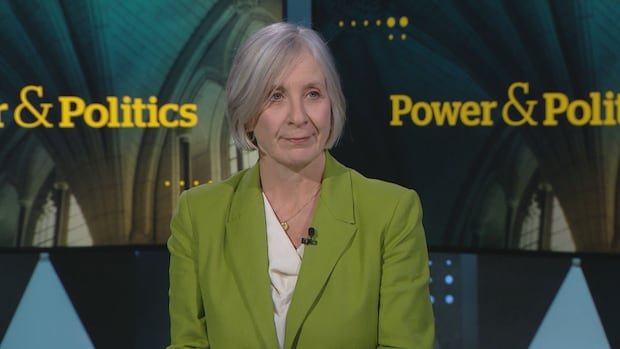
As the federal government gears up for the fall parliamentary session, Jobs Minister Patty Hajdu states that Ottawa is pursuing amendments to the federal Labour Code, noting that ‘relations between unions and employers have become more contentious.’ She assures on Power & Politics that the changes will not impede the right to strike.
“However, certain relationships between employers and unions have become increasingly fraught, and the existing tools within the Canada Labour Code are insufficient to facilitate agreements without significant risks of labor disruptions,” Hajdu remarked.
Despite this, Hajdu pointed out that the mediation mechanisms within the Labour Code need modernization, and should be robust enough to ensure that “pressure is appropriately applied at the negotiating table between the involved parties.”