
Snap Inc., the parent company of Snapchat, has come to a settlement during a trial concerning allegations made by two teenagers who assert that the platform was designed to be addictive, leading to their struggles with depression, anxiety, and eating disorders, as stated by the plaintiffs’ attorneys on Monday.
The jury selection for this trial commenced last week in Los Angeles state court, marking the second such trial focused on claims from young individuals who argue that they became addicted to social media due to the design choices made by Snap, Meta Platforms, TikTok, and Alphabet’s YouTube to promote excessive usage.
The plaintiffs had previously resolved claims against Meta, TikTok, and YouTube.
“Our primary objective is to hold social media companies accountable for the effects their actions have had on millions of children nationwide, and these settlements enable us to continue progressing towards that aim,” said trial lawyers John Morgan and Emily Jeffcott, representing plaintiff K.D.B., in a statement.
This trial was anticipated to be Snap’s first in the extensive litigation examining the influence of social media on teenagers, following the company’s settlements in other cases that were slated for trial. Evan Spiegel, the CEO of the company, was expected to provide testimony.
This case was chosen from a multitude of pending lawsuits as a bellwether, aimed at evaluating the claims against Snap and other companies, potentially affecting the resolution of similar cases. The next bellwether trials are scheduled to commence in March, according to the lawyers for the plaintiffs.

Companies such as Snapchat have denied allegations that their platforms are intentionally designed to be addictive. The upcoming bellwether trials regarding social media’s effects on teenagers are expected to start in March. (Dado Ruvic/Illustration/Reuters)
A representative from Snap stated that the company has implemented various safeguards, launched safety tutorials, and collaborated with experts, affirming its dedication to “continuously enhancing the safety, privacy, and well-being of our community.”
The plaintiffs, S.J., a 16-year-old from Illinois, and K.D.B., an 18-year-old from Mississippi, reported that they began using YouTube at the age of 3 and other platforms around age 9, developing compulsive habits they attribute to features like autoplay and infinite scrolling.
The companies have consistently rejected assertions that their platforms were designed to captivate young users and claim to have taken measures to create safe environments for youth to express themselves.

Meta reached a $16.68-billion US settlement regarding accusations that it designed its social media platforms, including Facebook and Instagram, to be addictive for children. This settlement was finalized Wednesday during a federal trial in California. Tech analyst and journalist Carmi Levy discusses the settlement’s implications for Canada.
Surge of Lawsuits
Social media firms are contending with a multitude of lawsuits in both federal and state courts, initiated by individuals, school districts, municipalities, and other governmental bodies that allege these companies intentionally sought to enthrall children with their platforms, exacerbating a youth mental health crisis characterized by anxiety, depression, and suicide.
Court records indicate that around 30 states have filed lawsuits against these companies.
-
TikTok settles landmark lawsuit over youth addiction claims
-
Kids and young adults are addicted to screens. New research argues it may be a public health concern
-
How teen accounts on Instagram and Facebook are changing after Meta’s $18B US settlement
In the initial case that went to trial, concluding in March, a jury in Los Angeles determined that Meta and YouTube had acted negligently and awarded a young woman $6 million US in damages.
The subsequent two teenagers selected for trials either reached settlements or withdrew their claims against the companies.

The 20-year-old plaintiff, referred to as K.G.M. in legal documents, was awarded $6 million US in damages. This unique lawsuit aimed to hold social media platforms accountable for harm caused to children using their services.
The first school district selected for trial reached a settlement with all involved companies.
Additionally, in March, Meta experienced losses in both phases of a lawsuit filed by New Mexico, leading to a $375 million US penalty after a jury concluded that the company had deceived consumers regarding the safety of its platforms.
In August, Meta finalized settlements totaling up to $18 billion US with nearly every state and U.S. territory to settle lawsuits initiated by attorneys general over assertions that its platforms harmed teenagers and agreed to implement changes to how Instagram and Facebook function for teens.
The agreement included a condition that $5 billion US of the payout would depend on the states reaching similar settlements with Snap, TikTok, and YouTube.
Meta has committed to restricting teenagers’ usage of Facebook and Instagram to a maximum of two hours daily for the next decade, along with other modifications to the platforms.
These lawsuits emerge alongside a growing trend in legislation aimed at prohibiting teenagers from accessing social media, including an active ban in Australia and a proposed bill in Canada. Legal experts have raised concerns about this legislation, indicating it could violate the Charter of Rights and Freedoms.
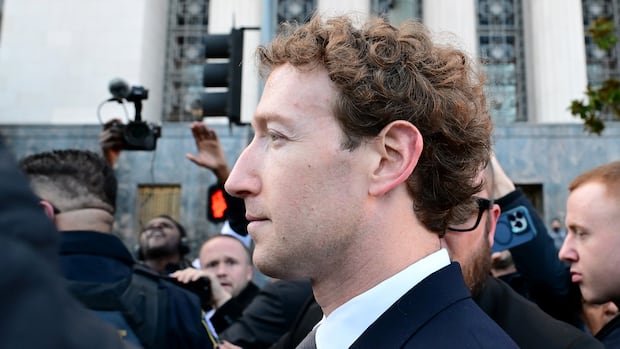
Meta has agreed to pay as much as $18 billion US to settle a significant lawsuit initiated by several U.S. states concerning the addiction to social media and child safety. The tech giant has also consented to make adjustments to its platforms, including Facebook and Instagram.
Tag: rewrite-pending