A lethal fungal pathogen that is causing serious disruptions to amphibian populations globally has now reached Manitoba, although its impact on the Prairies may not be as catastrophic—at least not yet.
Initial laboratory analyses indicate that Batrachochytrium dendrobatidis, commonly known as chytrid, has been detected in frogs and toads collected this year in Winnipeg and various locations in western Manitoba, according to Jackie Tran, a graduate student at Brandon University.
“It took a while for me to process the initial shock,” Tran remarked, having shared these findings during a seminar organized by the Saskatchewan Prairie Conservation Action Plan on Tuesday.
“This follows the same trend we’ve seen across the continent. It’s prevalent everywhere.”
Chytrid infects the immune systems of amphibians, leading to their bodily functions shutting down. This pathogen has been linked to significant declines in frog populations elsewhere in the world.
Previously, chytrid had been documented in most regions surrounding Manitoba, including the Northwest Territories, North Dakota, Minnesota, and northwestern Ontario—specifically in Kenora and Grassy Narrows. There was one recorded case in Saskatchewan two decades ago, but Tran noted that uncertainties still surround that instance.
The relatively low presence of the pathogen in Saskatchewan and Manitoba does not necessarily indicate it has not existed in the Prairie provinces prior to this.

Jackie Tran, a master’s student at Brandon University, next to a wetland in Sandilands Provincial Forest on Oct. 1. (Bryce Hoye/CBC)
Tran noted that his discovery this year reflects a “low surveillance effort” in both provinces, along with a scarcity of published or usable data.
In his spring sampling, about half of the sites examined for chytrid tested positive, indicating it may be more widespread in Manitoba than he initially thought.
-
Researchers probe Prairie wetlands for signs of ‘epidermal epidemic’ in Manitoba frogs, salamanders
-
‘Deadliest disease in all time’ wipes out 90 species of frogs and toads
Tran’s laboratory findings confirmed the pathogen’s presence in nearly 15 percent—equivalent to one in seven—of the 91 frogs and toads he swabbed during the spring field season. Species such as wood frogs, northern leopard frogs, Canadian toads, and boreal chorus frogs tested positive.
Tran indicated that chytrid was located in several areas, including the Assiniboine Forest in Winnipeg, Turtle Mountain Provincial Park in southwestern Manitoba, Spruce Woods Provincial Park, the Brandon Hills Wildlife Management Area, and one undisclosed location in western Manitoba.
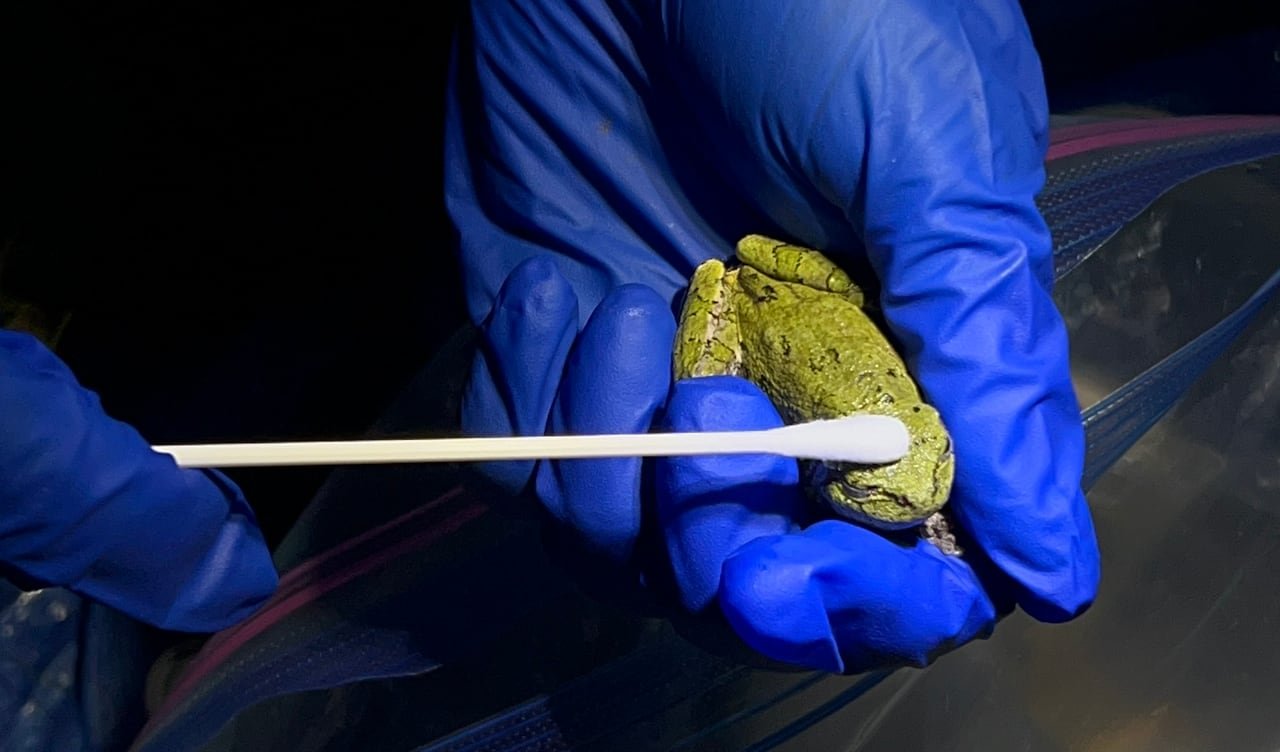
Tran swabs a gray tree frog last spring as part of his research. (Submitted by Jackie Tran)
He is still awaiting results from frogs sampled in the Nutimik and Falcon Lake areas.
“Jackie’s surveys are crucial for bridging a significant geographical gap in monitoring [Batrachochytrium dendrobatidis] in Canadian amphibians,” remarked Tran’s graduate supervisor, associate professor Pamela Rutherford, during a conversation with CBC News on Tuesday.
The symptoms associated with chytrid resemble something from a horror movie: skin thickens, turns white, and subsequently flakes off. This is followed by lethargy and organ failure.
However, none of the frogs and toads carrying chytrid in Manitoba exhibited any visible signs of infection.
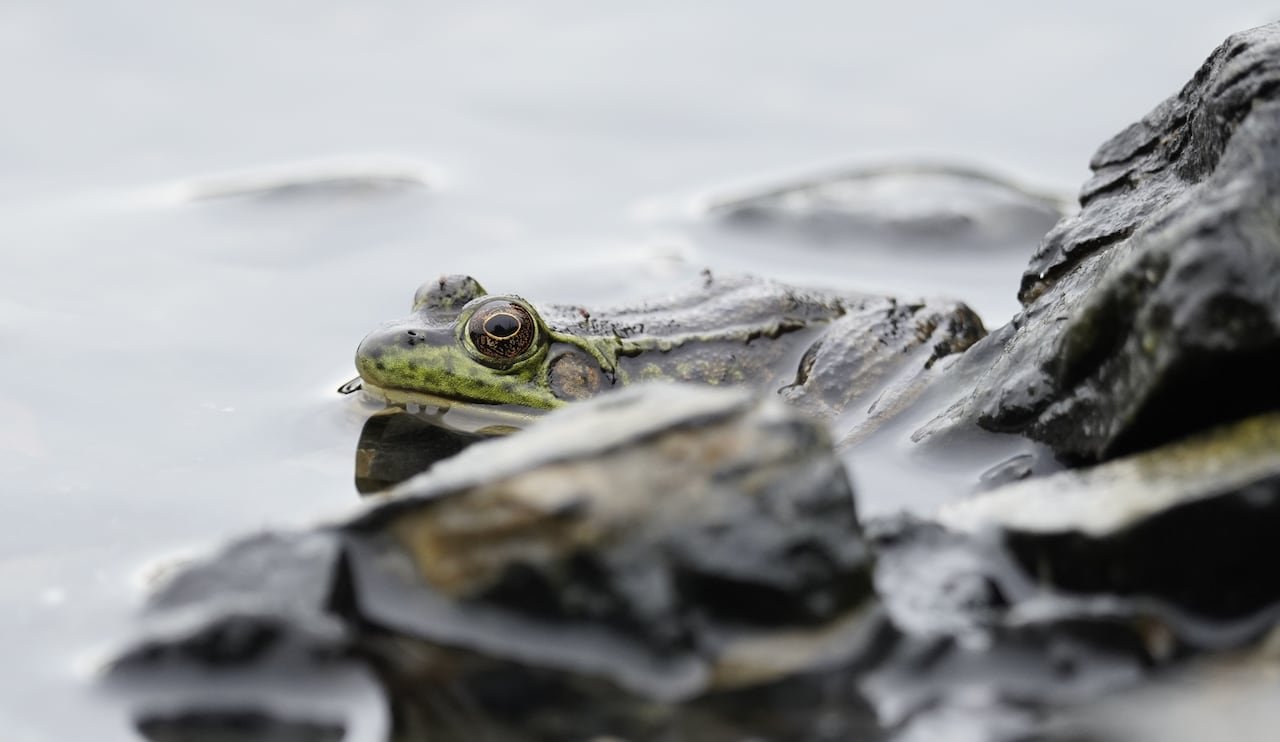
A frog lurks along the edges of a lake near the border of Manitoba and Ontario in September. (Bryce Hoye/CBC)
This trend is also evident in New Brunswick, Quebec, Ontario, and parts of British Columbia, where chytrid is present but has not yet resulted in widespread mortality or disease, according to Lenny Shirose.
“We occasionally observe individual animals succumbing to chytridiomycosis, but we have yet to witness the severe symptoms seen in other regions of the world,” commented Shirose, a wildlife biologist with the Canadian Wildlife Health Cooperative based at the University of Guelph.
-
Interest waning in Manitoba reptile, amphibian project, biologist says
-
Frogs are dying and Korea gets the blame
“We really need to understand why…. We cannot afford to be complacent.”
According to the International Union for Conservation of Nature’s “red list,” a quarter of all freshwater species are facing extinction globally, with 41 percent of amphibian species identified as at risk. Disease is believed to play a significant role in these declines.
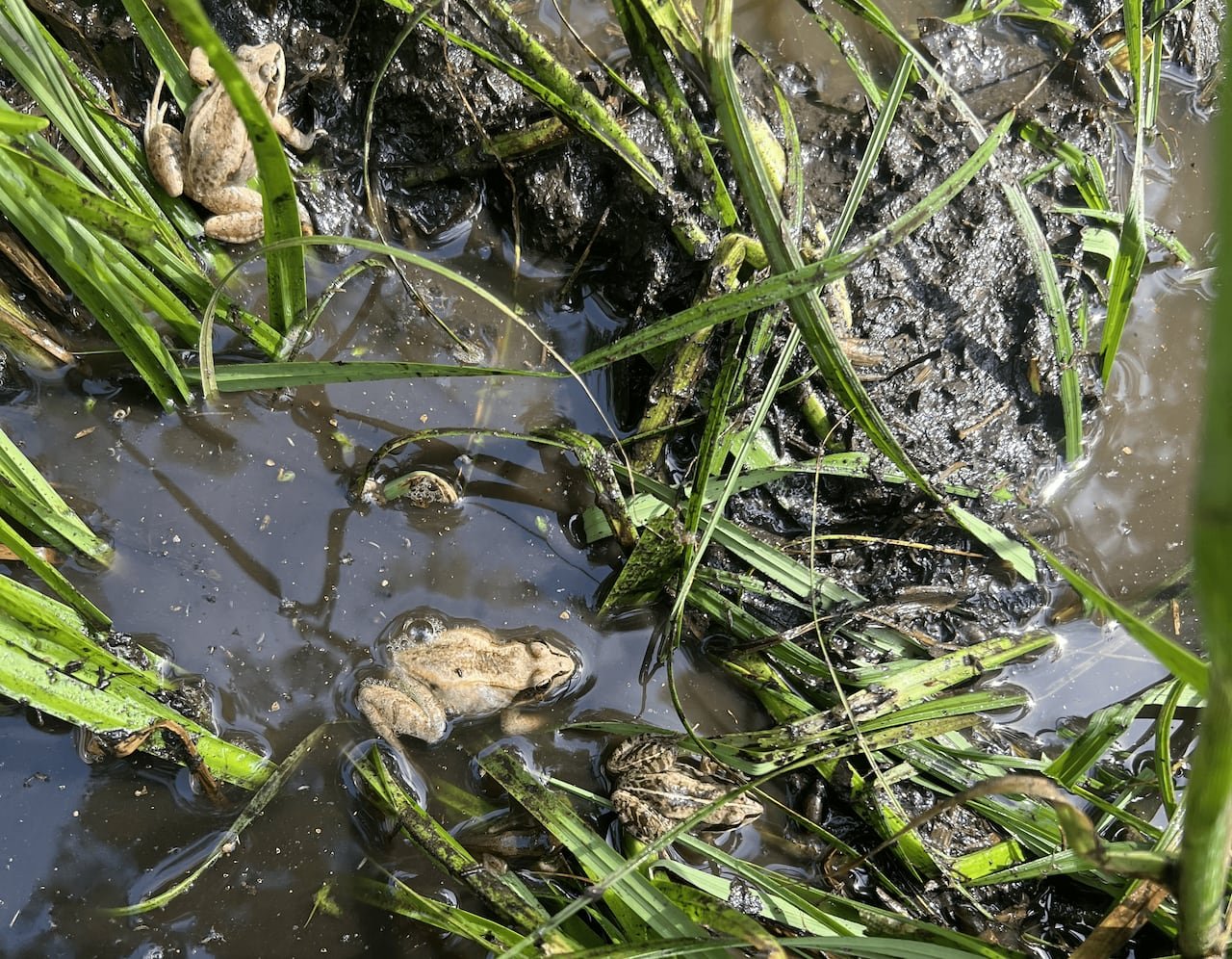
Tran sampled a variety of the 16 amphibian species that call Manitoba home, including wood frogs, such as those shown here in a wetland. (Submitted by Jackie Tran)
The prevailing theory as to why chytrid is not manifesting overtly severe effects in Canada is that the strains of the pathogen present in the country may be relatively mild, according to Shirose.
The emergence of a more virulent, rapidly spreading strain “could change everything,” making it essential for research like Tran’s to continue, Shirose emphasized.
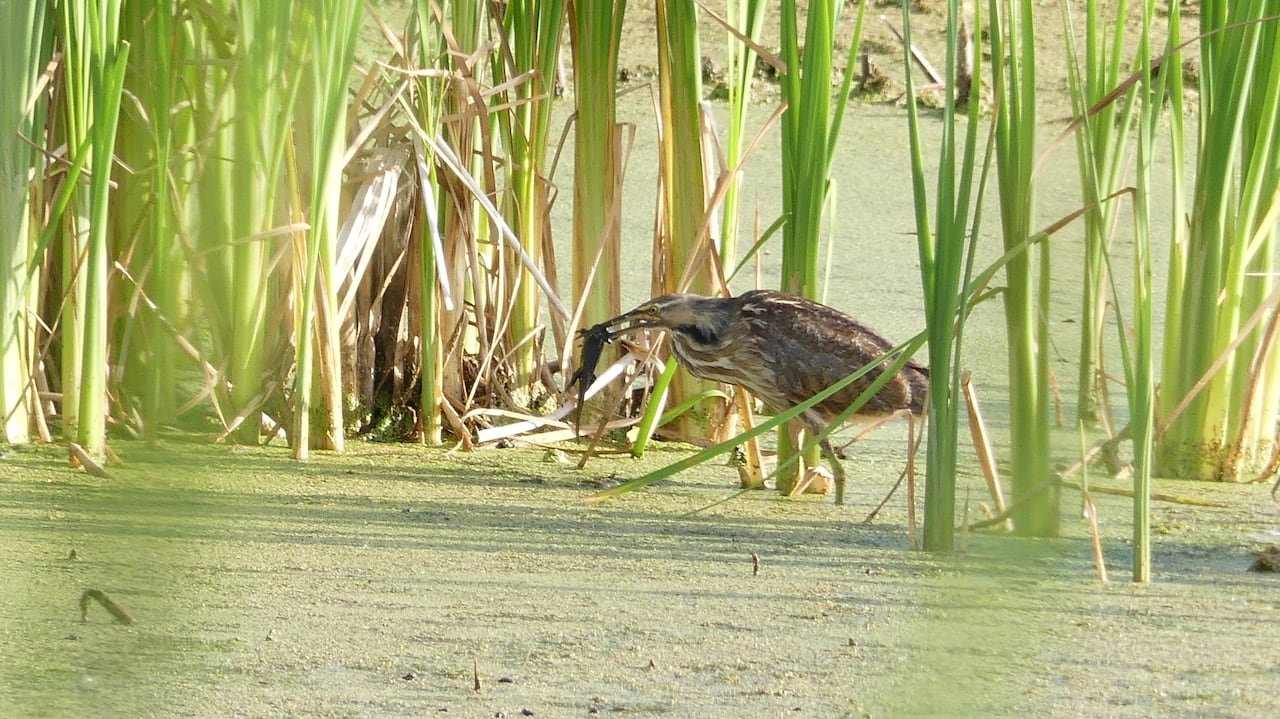
An American bittern eats a barred tiger salamander. (Bryce Hoye/CBC)
“If that occurs, we would need to approach it as if a completely new disease had been introduced, requiring us to isolate and eradicate it before it establishes,” remarked Shirose, who leads the Canadian segment of the Student Network for Amphibian Pathogen Surveillance (SNAPS).
A team from the Wilder Institute and Calgary Zoo is conducting field experiments indicating that young leopard frogs can be vaccinated against chytrid.
This is promising news, especially since Tran’s models indicate that climate change could exacerbate the pathogen’s spread.
“As amphibians and this pathogen are closely linked to their ecological needs, a shift in climate could lead to more amphibians and [chytrid] congregating in the same ponds, thereby increasing the risk of exposure,” he explained.
Tran, Shirose, and others associated with SNAPS are participating in a continent-wide initiative to monitor the chytrid strain found in Manitoba, Batrachochytrium dendrobatidis, along with Batrachochytrium salamandrivorans.
The latter has been devastating salamander populations in Europe, raising concerns about its potential to cross into North America.
In order to effectively respond to either strain, location data is crucial, which is challenging to obtain without a consistent long-term surveillance program in the province.
“Our surveillance coverage is below the federal and North American average. To improve that, we need to generate more interest in this research,” Tran stated.
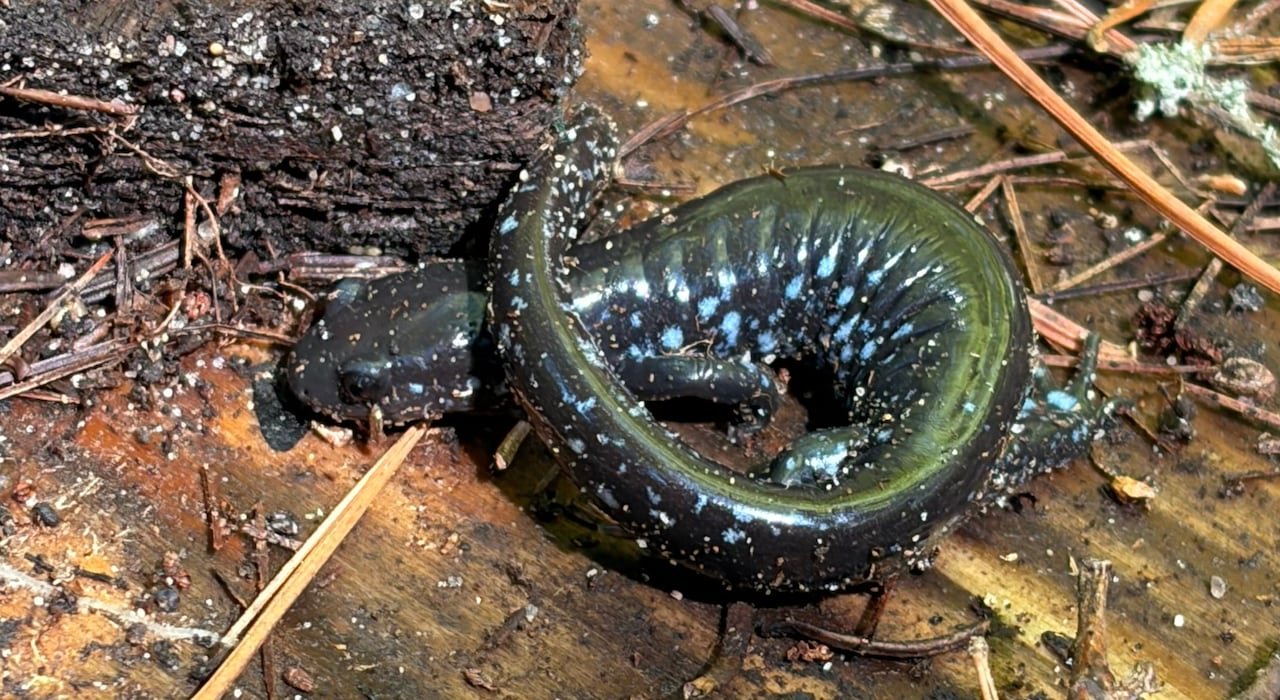
A blue-spotted salamander emerges from beneath a woodpile in northwestern Ontario last summer. The fungal infection Batrachochytrium salamandrivorans hasn’t been confirmed in salamanders in North America yet. (Colby McGilvray/CBC)
“Habitat destruction, pesticides, pollutants, and similar issues are already affecting their environments. We are already pushing them to their biological and physiological limits,” he explained.
“When you add the disease factor, which demands more energy to combat this pathogen, they simply cannot cope.”
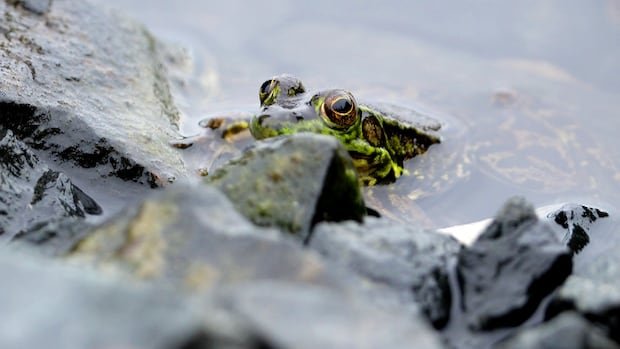
Brandon University researchers are searching Manitoba wetlands for frogs, toads and salamanders, expecting to find something they don’t really want to see: signs of a fungal infection plaguing amphibians the world over.
Tag: rewrite-pending