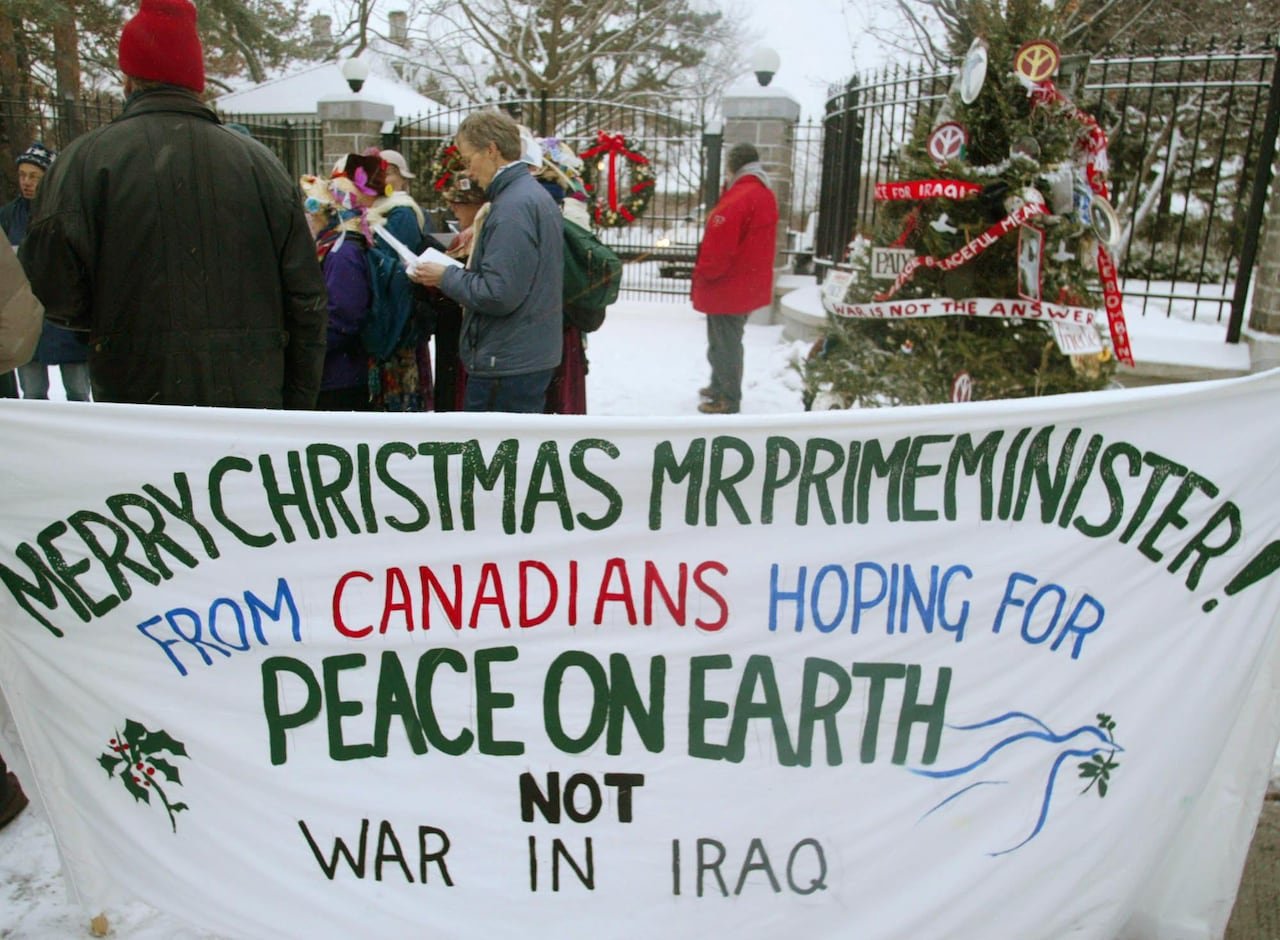
Canada, which notably opposed the Iraq war in 2003, was poised to support the U.S.-led invasion by deploying naval vessels for combat, contingent on a UN Security Council approval, as revealed by cabinet documents.
Records from the last cabinet meetings prior to the invasion indicate that the government was contemplating the scenario where the UN would authorize military intervention, reflecting the gravity of this potentiality on ministers as they deliberated moral considerations regarding life and death.
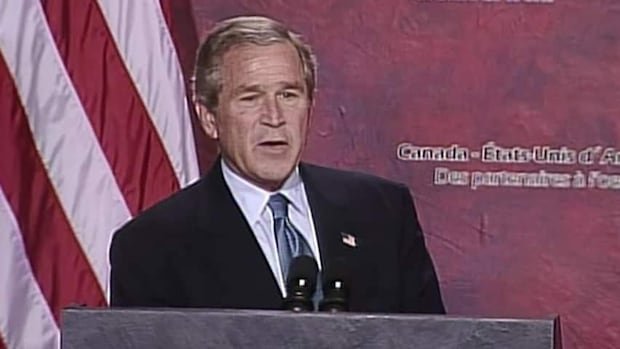
The invasion, initiated by the U.S., was ostensibly aimed at disarming Saddam Hussein of nonexistent weapons of mass destruction. The administration of U.S. President George W. Bush presented the conflict as a facet of the broader war on terror, which had commenced following the September 11 attacks nearly two years earlier.
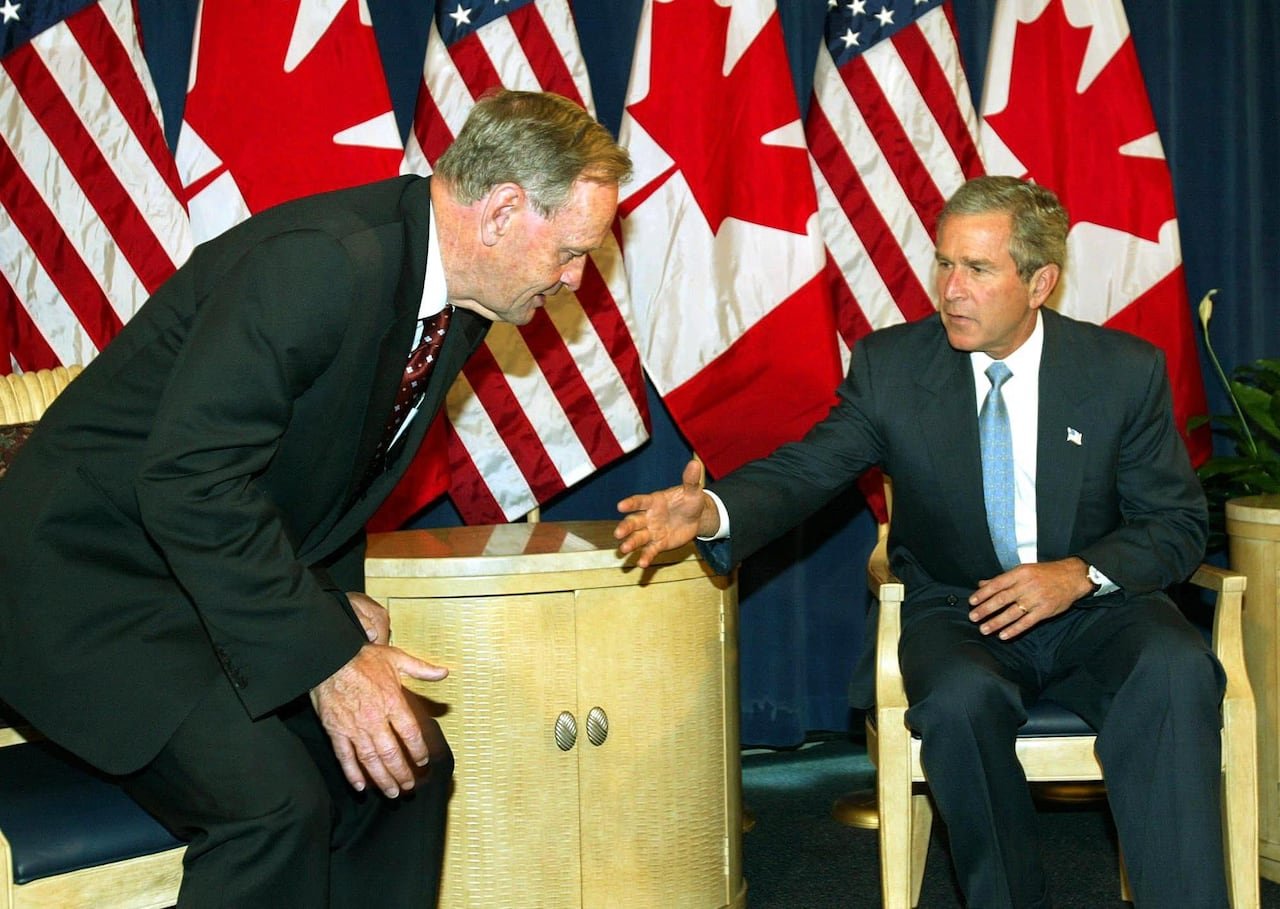
On March 17, 2003, just days before the invasion commenced, Prime Minister Jean Chrétien formally declared in the House of Commons that Canada would not be part of the U.S.-led “coalition of the willing” in Iraq.
“If military action occurs without a new resolution from the Security Council, Canada will not take part,” Chrétien stated during question period, prompting a standing ovation from his supporters.
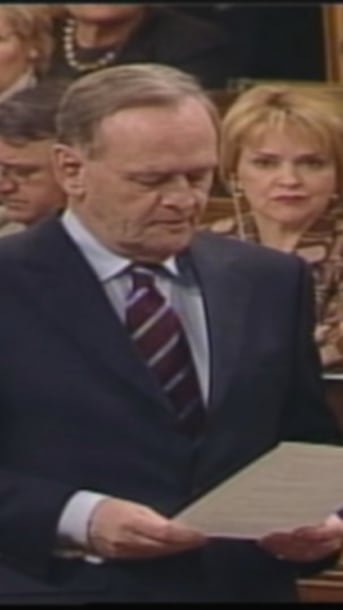
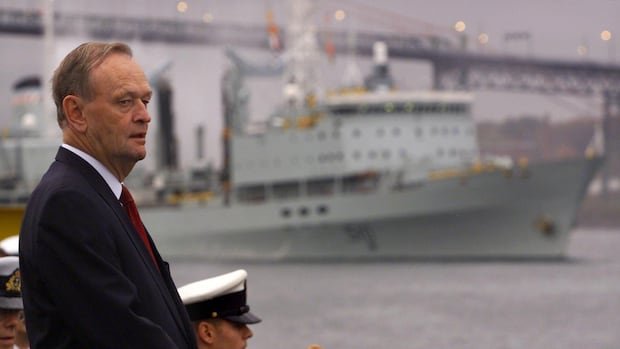
In 2003, Jean Chretien stated firmly that, without the backing of the United Nations, Canada wouldn’t support the U.S.-led invasion of Iraq.
On that very day, the U.S. had pulled a resolution from the Security Council that would have explicitly permitted military action, as it appeared likely to be defeated.
CBC News acquired the minutes from the last cabinet meeting — dated February 25, 2003 — prior to Chrétien’s announcement through a request for information.
While the U.S.’s resolution encountered opposition before its introduction, the documents indicate that the Canadian government was preparing potential military responses.
John McCallum, the then minister of national defence, noted in the meeting that if the resolution passed, Canada would not be able to provide ground support at that time due to commitments in Afghanistan, but suggested that Ottawa could dispatch naval vessels.
“[McCallum] emphasized that the recent commitment to provide a peacekeeping contingent in Afghanistan would preclude Canada from deploying ground troops, yet other military assets, like warships, could be redirected from their current missions in the area if Canada opted to partake,” the minutes documented.
Retired general Raymond Henault, who served as chief of the defence staff in 2003, stated that the documents align with what he communicated to the government regarding the Canadian Armed Forces’ potential contributions to the Iraq conflict should Ottawa decide to engage.
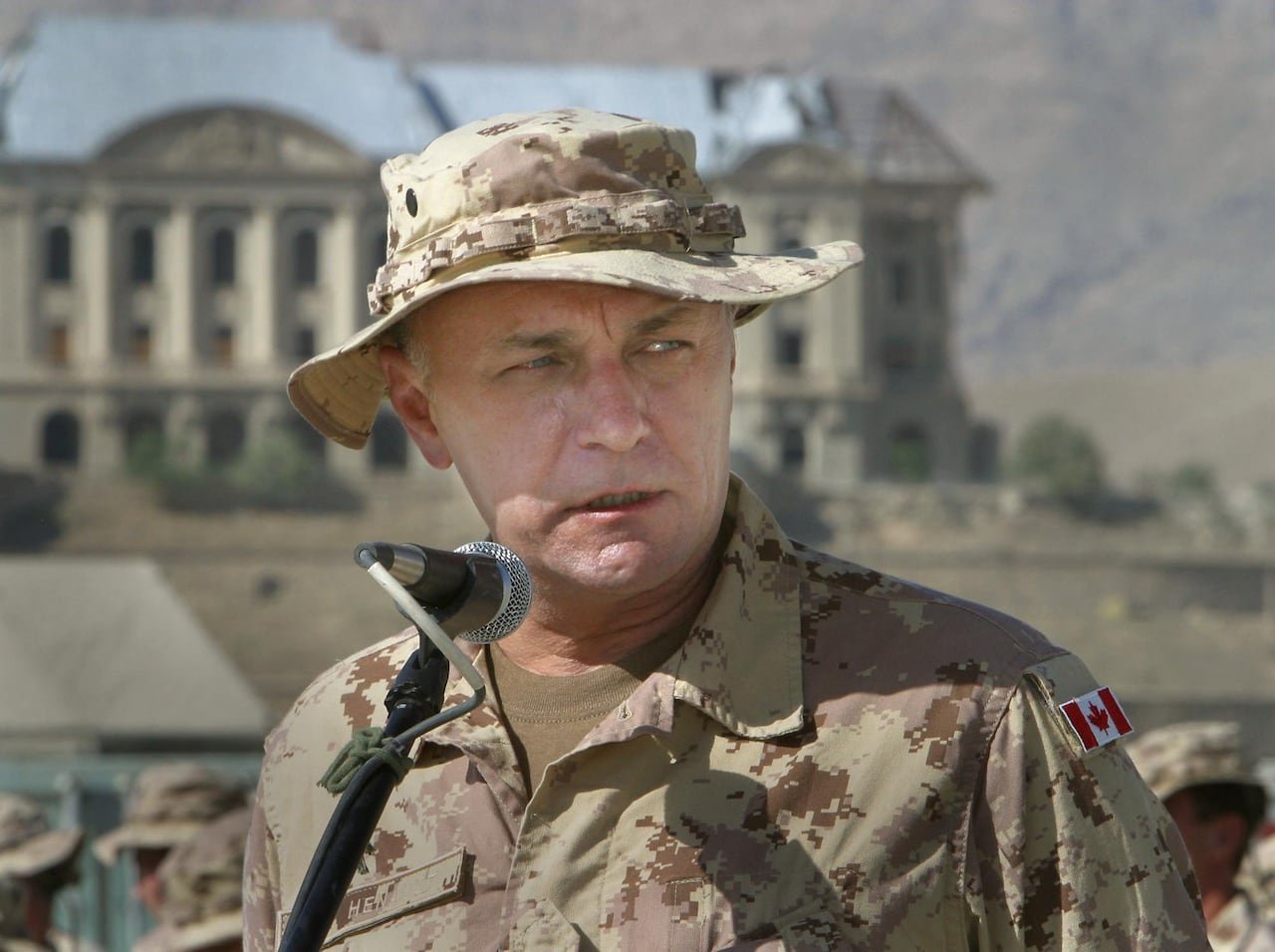
Gen. Ray Henault, chief of defence staff, addresses troops in Kabul, Afghanistan, in 2004. (Stephen Thorne/The Canadian Press)
“We operated under the premise that we should remain prepared to respond to whatever the government decided, whether it was to involve or not involve,” Henault shared in an interview with CBC News.
At that time, Canadian vessels were positioned in the Persian Gulf conducting counterterrorism and anti-smuggling operations.
CBC News reported in 2011 that a U.S. diplomatic memo released by WikiLeaks indicated discussions between U.S. and Canadian officials regarding how those naval vessels could be utilized as the invasion commenced.
However, the cabinet minutes suggest that the vessels’ involvement in the broader war on terror could have been enhanced or “redeployed” if the UN authorized military action.
Henault indicated that such redeployment would mean the ships “would have participated in any naval combat operations in support of the Iraq invasion,” potentially including vessels equipped with patrol aircraft like helicopters. He also suggested that Canadian special forces might have been engaged.
CBC News did not receive a reply from a representative of Chrétien when inquiring whether the former prime minister would be willing to participate in an interview for this article.
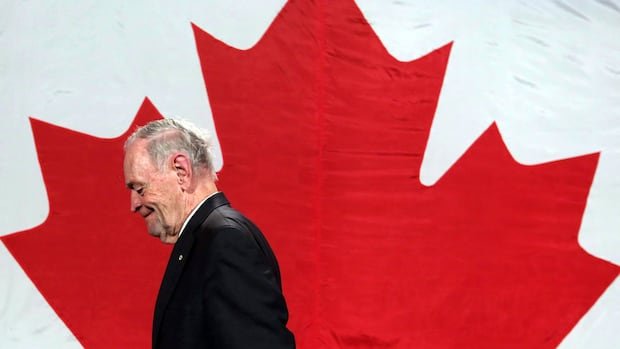
Rosemary Barton Live speaks with Canada’s former prime minister Jean Chrétien about his decision 20 years ago to keep Canada out of the war in Iraq.