On Tuesday, officials from the U.S. and Cuba engaged in a remarkable confrontation during the United Nations General Assembly, marking yet another public exchange between the two nations amid Washington’s intensifying economic measures against Havana.
The clash commenced shortly after U.S. Ambassador to the UN, Mike Waltz, took the stage to argue against endorsing the annual resolution condemning the longstanding U.S. economic embargo on Cuba.
As Waltz outlined years of alleged corruption linked to the socialist regime, members of the Cuban delegation, including Foreign Minister Bruno Rodríguez Parrilla, began banging on their designated table and shouting for a point of order.
In an attempt to manage the disruption, Rodríguez Parrilla walked down the aisle towards the front of the General Assembly and shouted at Waltz, accusing him of being a liar.
Waltz retorted, “Do you realize who you are addressing? This is America. Step back.”
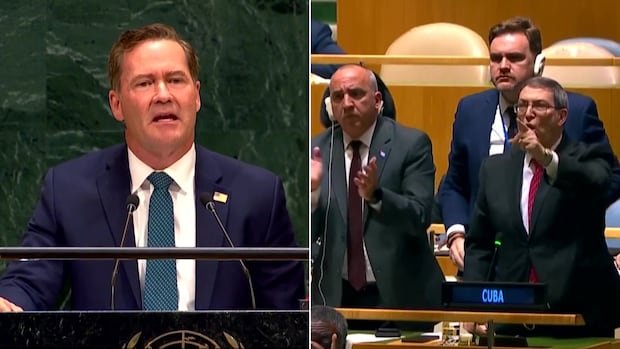
Although this incident marked a surprising breach of the diplomatic etiquette typically observed at the UN, it vividly illustrated the escalating tensions between Cuba and the U.S. as President Donald Trump’s administration aims to instigate changes to Cuba’s political landscape through an increasingly harsh economic strategy.
The Caribbean nation, which has already been grappling with severe long-term economic and financial crises, is now being pushed to its limits following Trump’s announcement in late January of impending tariffs on any nation that supplies oil to Cuba. This warning has effectively severed the island’s fuel supply, resulting in widespread power shortages that disrupt essential activities, including cooking and access to water, internet, and phone services.
-
Mike Waltz moves from security adviser to UN ambassador in wake of Signal controversy
-
Mike Waltz admits ‘mistake’ in ’embarrassing’ sharing of Yemen strike plans with journalist
Cuban representatives have repeatedly pointed out that while U.S. officials urge Cuba to open its economy to private investment, Washington continues to impose sanctions that hinder the very economic reforms it has sought for many years.
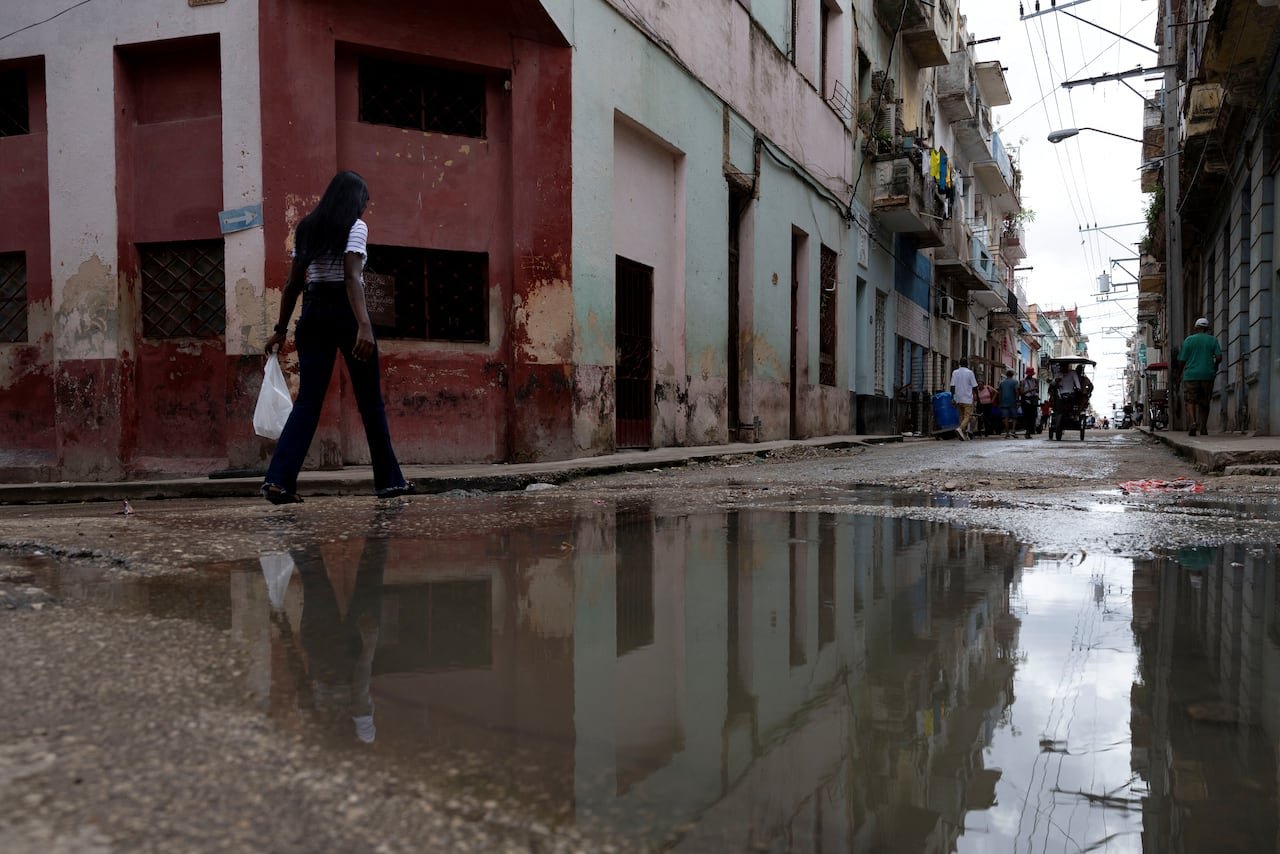
A woman walks past a pool of sewage on a Havana street as water and electricity shortages threaten health and hygiene in the island nation. (Ricardo Arduengo/Reuters)
The altercations on Tuesday followed a similar confrontation last week between Waltz and his Cuban counterpart, Ernesto Soberón Guzmán, outside a U.S.-organized panel featuring Cuban dissidents and former prisoners, which aimed to spotlight accusations of the government’s oppressive conduct.
Waltz and other U.S. officials have been leveraging these public gatherings to encourage UN member states to vote against the annual resolution during Wednesday’s session, which seeks to criticize the U.S. government’s “maximum pressure policy” directed at Cuba.
For 34 years, this resolution has garnered substantial backing. In the previous year, the vote concluded with 165 in favor, 7 against, and 12 abstentions. Argentina, Ukraine, and Hungary opposed the motion for the first time.
Canada has consistently supported the annual resolution. Earlier this year, Global Affairs Canada announced it was providing $5.5 million in additional support to Cubans, following $8 million provided in February to enhance food aid efforts in the nation.
While these resolutions do not carry legal weight, they serve as a reflection of global sentiment.